

Are you planning an office expansion or relocation within Metro Manila this year or next year? In finding the best next office space to rent or lease, vacancy rates are important to look at. To simplify, it shows how much space are available versus supply.
Here’s a quick summary of office vacancy rates in the capital that will definitely help you with your negotiations strategy.

The good news is the office market is largely working in your favor. Office vacancy across the metro’s Grade A buildings remains elevated, a direct consequence of oversupply, the structural shift toward hybrid work, and the significant exit of POGO operators that once absorbed large floor areas across multiple business districts.
This is not just a statistic. It is leverage. And understanding how to use it carefully and intelligently can make a material difference to the terms of your next lease.
The Macro Picture: Metro Manila Grade A Office Vacancy
Metro Manila’s overall Grade A office vacancy rate currently sits at approximately 17 to 20 percent. To put that in context: one in five leasable square meters in a Grade A building across the metro is sitting empty. For landlords, that is carrying cost with no return. For tenants, that is negotiating room.
Average asking rents for Grade A office space across Metro Manila range broadly depending on the district and building grade, but the general picture is as follows:
– BGC (Bonifacio Global City): ₱1,100 – ₱1,500 per sqm per month
– Makati CBD: ₱900 – ₱1,300 per sqm per month
– Ortigas Center: ₱700 – ₱950 per sqm per month
– Bay Area: ₱650 – ₱900 per sqm per month
– Alabang: ₱650 – ₱880 per sqm per month
– Quezon City (Eastwood, UP Technohub, etc.): ₱650 – ₱900 per sqm per month
These figures are base rent only and do not include association dues, VAT, and other pass-through charges, which can add 15 to 30 percent on top of the quoted rate. Always ask for the total occupancy cost, not just the headline rent.
District by District: Where the Leverage Is Strongest
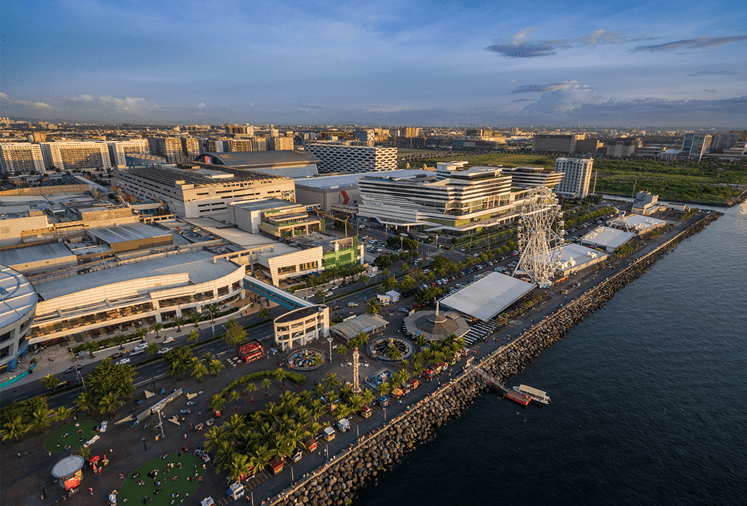
Bay Area — Highest Vacancy, Most Negotiable
The Bay Area carries the highest vacancy rate in Metro Manila, currently estimated at 25 to 30 percent or higher in some buildings. The departure of POGO operators left significant floor areas vacant across multiple towers, and new supply continued to come online during this period. For tenants, this is the most tenant-friendly submarket in the metro. Landlords here are generally more open to rental discounts, extended fit-out periods, rent-free months, and flexible lease terms. If your operations are not tied to a specific address, the Bay Area offers strong value for the price.
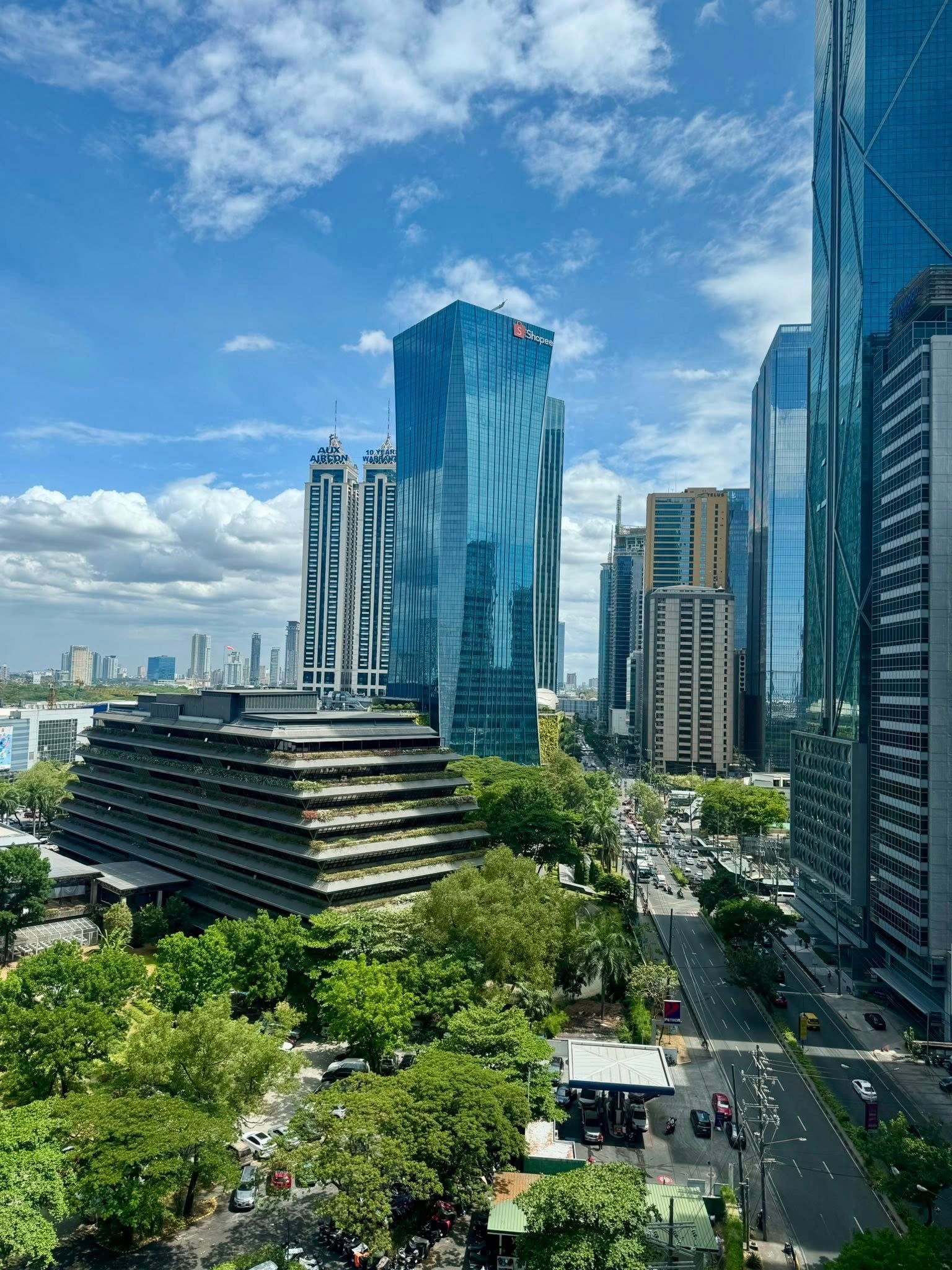
Ortigas Center — Elevated Vacancy, Active Negotiations
Ortigas sits at approximately 20 to 25 percent vacancy — elevated, but with a more diverse tenant mix than the Bay Area. The submarket has seen sustained pressure from buildings reaching the end of their economic life and newer supply in competing districts. Asking rents have softened, and landlords in Ortigas are generally willing to negotiate on both rate and terms. For companies that need a central Metro Manila address without BGC or Makati pricing, Ortigas represents a practical middle ground with meaningful leverage available.

Quezon City — Moderate Vacancy, Growing Supply
QC’s office market sits at around 18 to 22 percent vacancy, with nodes like Eastwood, UP Technohub, and the emerging Vertis North corridor at different points on the spectrum. Eastwood, as an older submarket, carries more pressure.
Vertis North, with newer buildings, holds firmer on rates but is not immune to negotiation given the broader metro vacancy picture. QC appeals particularly to BPO occupiers and companies with workforce bases in the north of the metro.

Makati CBD — Prestige Address, Softening Market
Makati’s Grade A vacancy is estimated at 15 to 18 percent which is lower than other districts but still meaningfully above historical norms. There was a time when Makati CBD will only have 2 percent vacancy Makati landlords, particularly in premium towers, are slower to adjust on headline rent, as the address itself carries value for multinational tenants and professional services firms. However, concessions are available for long-term and reputable companies such as rent-free periods. If Makati is a requirement, the current market gives tenants more room than they have had in years.

Alabang — Stable but Negotiable
Alabang runs at approximately 30 percent vacancy, serving a distinct occupier base — companies with workforces in the south corridor, and BPO operators for whom Alabang represents a cost-efficient alternative to the Makati-BGC axis. Rental rates are competitive, and at 30 percent vacancy, the market is significantly distressed and landlords are motivated to fill space. Tenants looking south of the metro will find strong negotiating room on both rate and concessions.
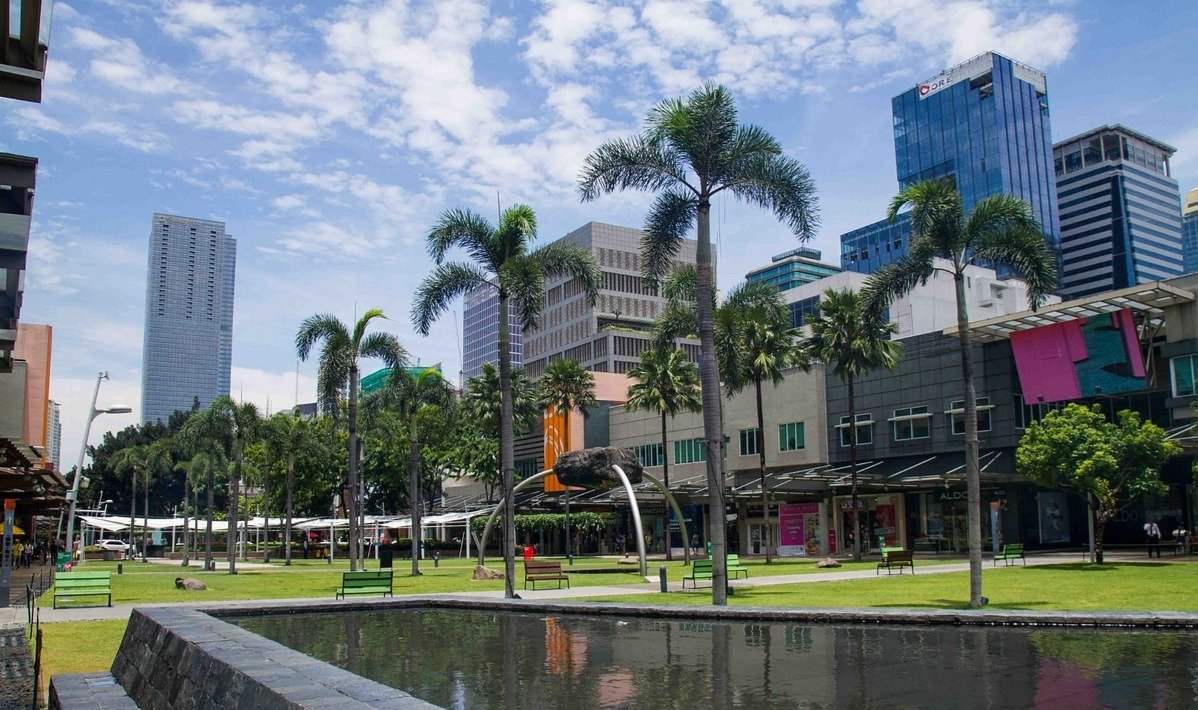
BGC — Tightest Market, Limited but Real Leverage
BGC remains the strongest-performing submarket in Metro Manila with vacancy at approximately 12 to 15 percent — below the metro average, and held up by continued demand from multinational corporations, financial institutions, and professional services firms for whom the address is non-negotiable. Landlords in BGC are less motivated to move on rate, and some premium buildings are close to full occupancy.
That said, the broader market context still creates leverage in BGC — particularly in buildings that have experienced non-renewals or are carrying floor areas above the 10 percent vacancy mark. Fit-out contributions and rent-free months are negotiable even here, even if headline rent is not.
How to Use This Information as a Tenant
Understanding the vacancy picture gives you a factual basis for your negotiation. Before entering discussions with a landlord or their broker, do your homework: find out the building’s approximate occupancy, how long key floors have been vacant, and whether the building has recently lost anchor tenants. This information is often accessible through brokers, industry contacts, or platforms like cre-book.com where listing data reflects current market availability.
Use vacancy as context, not as a weapon. A well-informed tenant can negotiate from a position of knowledge without being aggressive. The most effective approach is to present your requirements clearly, demonstrate that you are a serious and qualified occupier, and let the market data support your position rather than lead with it.
Specific levers worth negotiating in a high-vacancy environment include:
– Rent-free period — typically two to four months on a three-year lease in the current market
– Base rent reduction — particularly in Bay Area, Ortigas, and QC where asking rates have softened
– Lease flexibility — shorter initial terms with renewal options, or break clauses after year two
– Fixed escalation caps — locking in annual escalation rates rather than leaving them open to negotiation at renewal
One Critical Caution: Do Not Overplay Your Hand
The vacancy data supports a tenant’s position. It does not give a tenant license to be dismissive, aggressive, or disrespectful in negotiations.

Philippine landlords — particularly the major developers and families who own the premium office stock in this market operate with a significant degree of personal and institutional pride. A building that carries their name, or that they have managed for decades, is not merely an investment to them. It is a reputation. How you approach a negotiation, and how you communicate your requirements, matters as much as what you are asking for.
Tenants who enter negotiations leading with market leverage as a pressure tactic quoting vacancy numbers directly, implying that the landlord should feel fortunate for the inquiry, or making demands rather than presenting requirements risk a firm and final response that has nothing to do with price. In this market, some landlords will simply decline to proceed with a tenant they find disrespectful, regardless of the vacancy situation in their building. This is not uncommon, and it is not negotiable once that decision has been made.
The correct approach is professional, prepared, and courteous. Know the market. Make reasonable requests. Be direct about your requirements but respectful in how you present them. The goal is not to win the negotiation it is to close a deal that works for both parties and establishes a relationship you will maintain for the duration of your lease.
The Bottom Line
Office vacancy in Metro Manila is at its record-high and it is an opportunity for tenants who approach the market with preparation and professionalism. The market data supports negotiation. The district-by-district picture tells you where your leverage is strongest. And the tools available on cre-book.com give you the ability to search, compare, and shortlist with the kind of data that supports an informed position before you ever enter a negotiation.
Explore office spaces in cre-book.com. We have organized everything from office buildings to office units–both traditional spaces and serviced offices.



Join The Discussion